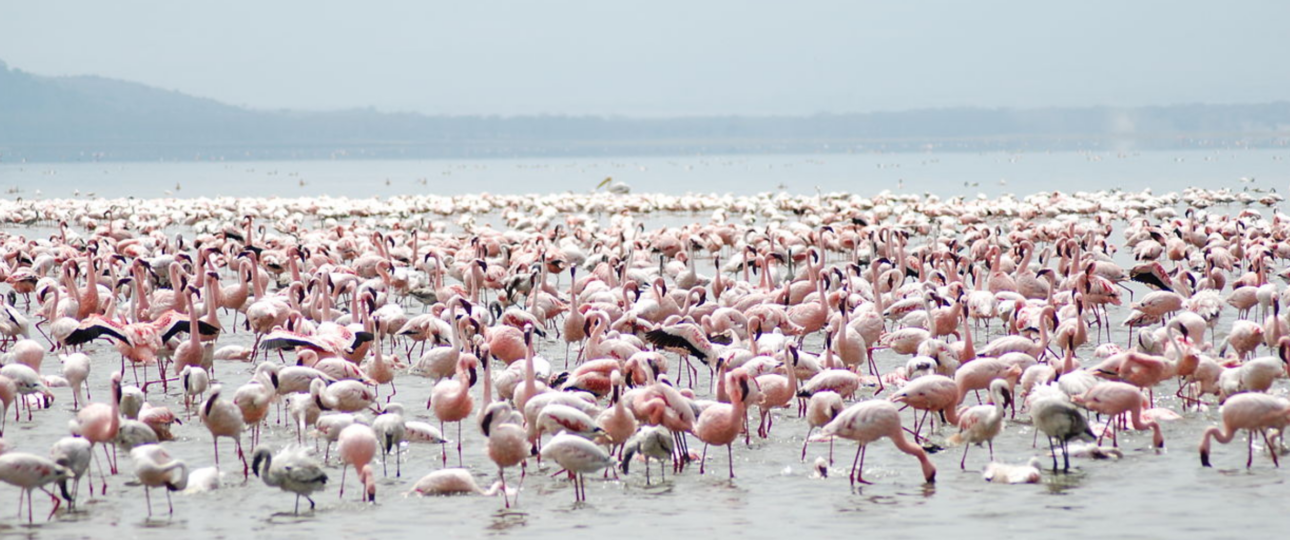
You’ve likely seen the photos of a lake so pink you can’t even see the water. While the “million-flamingo” days of the 90s have shifted, Lake Nakuru remains a powerhouse of Kenyan wildlife in 2026. Our team at The Walk Adventures has watched this park evolve into something even more diverse.
Recent data shows the lake has expanded from its original 43 square kilometers to roughly 82 square kilometers. This change in water level means the flamingos are a bit more nomadic these days. Expert conservationists from the Kenya Wildlife Service (KWS) note that while the “pink carpet” moves between lakes like Bogoria and Nakuru, vibrant clusters of thousands are still evident.
Sustainable travel is the biggest trend for 2026, with 72% of travelers prioritizing eco-conscious destinations. We’ve designed our tours to respect these shifting ecosystems while getting you front-row seats. It’s not just about the birds anymore; it’s about a “total ecosystem reboot” that is fascinating to witness.
Why the Flamingos are Playing Hard to Get
The lake’s chemistry is a delicate balance of salt and soda. When water levels rise, the alkalinity drops, which affects the growth of the flamingos’ favorite snack: Spirulina algae. Because of this, the birds often “lake-hop” across the Rift Valley.
But don’t let that discourage you from joining us. Even on “quiet” days, you’ll still spot significant flocks of both Greater and Lesser flamingos. The Greater flamingos are taller and more resilient to the deeper 4.5-meter waters we’re seeing this year. Our guides at The Walk Adventures know exactly which southern shoreline pockets they’re currently frequenting.
It’s Actually a Rhino Sanctuary Too
If you came for the birds, you’ll stay for the rhinos. Lake Nakuru is one of the most successful rhino sanctuaries in East Africa, housing both Black and White rhinos. Seeing a prehistoric-looking White rhino grazing near the shimmering pink shore is a core memory waiting to happen.
We take pride in the fact that these populations are stable and thriving despite the rising waters. The park’s 188 km² fenced area ensures these “Big Five” members are protected 24/7. You’ll often see them hanging out near the acacia woodlands, completely unbothered by safari vehicles.
The Best Views (and Vibes)
You haven’t seen the lake until you’ve stood on Baboon Cliff. This vantage point offers a panoramic view of the 82 km² expanse, showing the true scale of the Rift Valley. It’s the perfect spot for that “out of Africa” photo you’ve been dreaming of.
We love timing our visits for the early morning or late afternoon. The lighting at 6:00 AM turns the water into a mirror, reflecting the pink wings of the birds. This is also when the park’s resident leopards are most likely to show themselves in the fever trees.
Key Takeaways
- The “Pink Lake” is evolving: Water levels have doubled, making flamingo sightings a seasonal, nomadic event rather than a permanent fixture.
- Wildlife diversity is peaking: Nakuru is currently a premier spot for rhinos, Rothschild’s giraffes, and tree-climbing lions.
- Sustainability is key: Modern travelers in 2026 are focusing on “adaptive tourism” that supports conservation efforts.
- Best Time to Visit: The dry months (June–September and December–February) offer the most stable sightings.