Imagine locking eyes with a wild lion while the sun sets behind a forest of shimmering glass skyscrapers. This isn’t a scene from a movie; it’s just another Tuesday morning in Nairobi. Nairobi National Park is the only place on Earth where you can snap a photo of a rhino with a city skyline as your backdrop. We at The Walk Adventures believe this park is the ultimate “urban safari” for the busy professional. It’s the perfect blend of untamed nature and modern life.
Our team at The Walk Adventures wants to show you why this 117-square-kilometer sanctuary is the crown jewel of Kenya’s capital. It was established back in 1946 as the country’s first national park. Since then, it’s become a global icon for wildlife conservation right on the city’s doorstep. In 2024, Nairobi was even named the world’s top city by Lonely Planet. This recognition highlights how our city perfectly balances business with the wild.
The “Mosaic of Wins“: 2025 Wildlife Census Insights
We recently got a fresh look at how our wild neighbors are doing thanks to the 2025 National Wildlife Census Report. President William Ruto described the findings as a mosaic of wins and urgent conservation emergencies. It’s a bit of a rollercoaster, to be honest. On one hand, we’ve seen a 4% growth in elephant and black rhino populations since 2021. This is a huge win for the conservation efforts we support at The Walk Adventures.
But it’s not all sunshine and rainbows out there in the savannah. The census revealed that some of our favorite large carnivores are becoming more vulnerable. Lion populations are currently recorded at over 2,000 nationwide, while cheetahs and wild dogs have seen their numbers drop by roughly half over four years. President Ruto emphasized that these results are a call to action for everyone in the tourism and conservation sectors.
The census also brought some worrying news about our feathered friends. Waterbird populations have plummeted by upward of 80% across 11 key bird areas. This is a massive hit to the ecosystem that we all need to monitor. Patrick Omondi, the CEO of the Wildlife Research and Training Institute, recommends accelerating the passage of the Wildlife Conservation Bill (2025) to address this. We’re hopeful these legislative shifts will help protect the park’s biodiversity for years to come.
Why the Black Rhino Sanctuary is a Global Treasure
If you’re coming to Nairobi to see rhinos, you’ve come to the right place. This park is one of the most successful rhinoceros sanctuaries in all of Kenya. In 2024, Kenya reached a historic milestone with a confirmed total of 1,059 black rhinos. This is a massive jump from the late 1980s, when the population had crashed to just 370. We love taking our guests on drives where they can see these prehistoric giants grazing peacefully.
The black rhino (Diceros bicornis) is particularly special. They were almost wiped out by poaching in the 70s and 80s, but we’ve fought hard for their recovery. The current strategy aims to grow the population to 2,000 individuals to secure their future. Because the park is fenced on three sides, it provides a safe haven where these rhinos can thrive without leaving the city limits. It’s one of the most reliable places in the world to spot them.
You might even see white rhinos while you’re exploring the plains with us. While black rhinos are browsers that eat leaves from bushes, white rhinos are grazers that love the grass. It’s pretty surreal to see these “grazing giants” with the city towers in the distance. Our guides are experts at pointing out the differences between the two, from their lip shapes to their social habits. Seeing a mother and her calf is a memory you’ll never forget.
The Big Cats: Lions, Leopards, and Cheetahs
Lions are the undisputed kings of Nairobi National Park. You can often hear their roars echoing across the savannah while the city is just waking up. We usually find them basking under acacia trees or resting in the tall grass after a successful hunt. Prides are regularly spotted along the park’s main roads, especially during our early-morning game drives. It’s a wild experience to see a lioness stalking prey while a passenger plane flies overhead.
Leopards are a bit more shy, but they’re definitely there if you know where to look. They love the forested areas and the rocky valleys where they can hide in plain sight. Our team at The Walk Adventures has a few secret spots where these elusive cats often hang out. You’ll need a good pair of binoculars and some patience, but the payoff is incredible. A leopard sighting is always a highlight of any urban safari.
Then there are the cheetahs, the fastest hunters on land. They prefer the open plains where they can really open up their speed. While their numbers have been declining nationwide, our park remains a vital habitat for them. Watching a cheetah sprint through the grass is like seeing a high-performance machine in action. We always tell our guests to have their cameras ready because these cats move fast.
The Ivory Burning Site: A History of Fire and Hope
One of the most emotional spots in the park is the Ivory Burning Site Monument. This is where Kenya made a stand against the illegal ivory trade that was killing our elephants. In 1989, President Daniel Arap Moi burned 12 tons of confiscated ivory right here. It was a desperate measure meant to tell the world that our elephants are not for sale. Since then, it has become a powerful landmark for conservationists globally.
Fast forward to April 2016, and the park hosted the largest ivory burn in history. President Uhuru Kenyatta set fire to 105 tons of elephant ivory and 1.35 tons of rhino horn. That represented the tusks of about 8,000 elephants and over 300 rhinos. We at The Walk Adventures believe this site is essential for understanding the true cost of poaching. The black market value of that pile was estimated at over $150 million, but Kenya chose to turn it into ash.
Today, the site is a peaceful place for reflection surrounded by acacia trees. You’ll often see zebras and warthogs grazing near the monument, completely unaware of its heavy history. Our guides love to stop here to share the stories of the rangers who protect these animals every day. It’s a stark reminder that the ivory has no value unless it’s on a living elephant. It’s a place where sadness meets a firm resolve for the future.
Photography Tips: Capturing the “Surreal Contrast“
If you’re a photographer, this park is your playground. The combination of wild animals and the Nairobi skyline creates a juxtaposition you can’t get anywhere else. We recommend visiting during the “golden hours“—the first few hours after sunrise or the last few before sunset. The light is softer, and the animals are much more active during these times. It’s the best way to get that perfect shot of a giraffe silhouetted against a skyscraper.
For the best results, our team at The Walk Adventures suggests using a zoom lens (at least 200mm). This allows you to get close-up shots without disturbing the wildlife. Ask your guide to turn off the engine when you’re taking photos to reduce vibration. Using a simple beanbag on the window frame can make a huge difference for those long-range shots. You’ll be amazed at how clear the Nairobi towers look when you frame them with a rhino in the foreground.
Don’t forget to look for the smaller things too. The park has over 400 bird species, and many of them are incredibly colorful. Early mornings are perfect for birding because the light brings out the vivid details of their feathers. Whether it’s a lilac-breasted roller or a massive fish eagle, you’ll want your camera ready. Our guides are great at spotting the “hidden gems” that most people miss.
Tourism Trends for 2026: The “Bleisure” Boom
Nairobi is quickly becoming the capital of “bleisure” travel—mixing business with leisure. In 2026, more professionals are choosing to stay an extra day or two to experience the wild. The city was awarded Africa’s Leading Business Travel Destination, and the park is a huge reason why. You can finish a board meeting at noon and be watching lions by 2:00 PM. It’s all about efficiency and maximizing your time in Kenya.
We’re also seeing a shift toward “Conscious Luxury” in 2026. Travelers want experiences that are meaningful, sustainable, and support local conservation. The Walk Adventures is proud to be part of this movement by offering tours that respect the environment. Kenya’s new tourism strategy focuses on making the country an all-year-round destination. With the new Electronic Travel Authorization (ETA), getting into the country is easier than ever.
Air connectivity is also exploding, making it easier for global travelers to reach Kenya. New routes from places like London and Kuala Lumpur are bringing a diverse new audience to the park. Operators are now promoting off-peak safaris to avoid overcrowding during the Great Migration. This means you can enjoy a quieter, more intimate experience in Nairobi National Park year-round. It’s a great time to be a traveler in East Africa.
Practical Logistics: Planning Your Visit
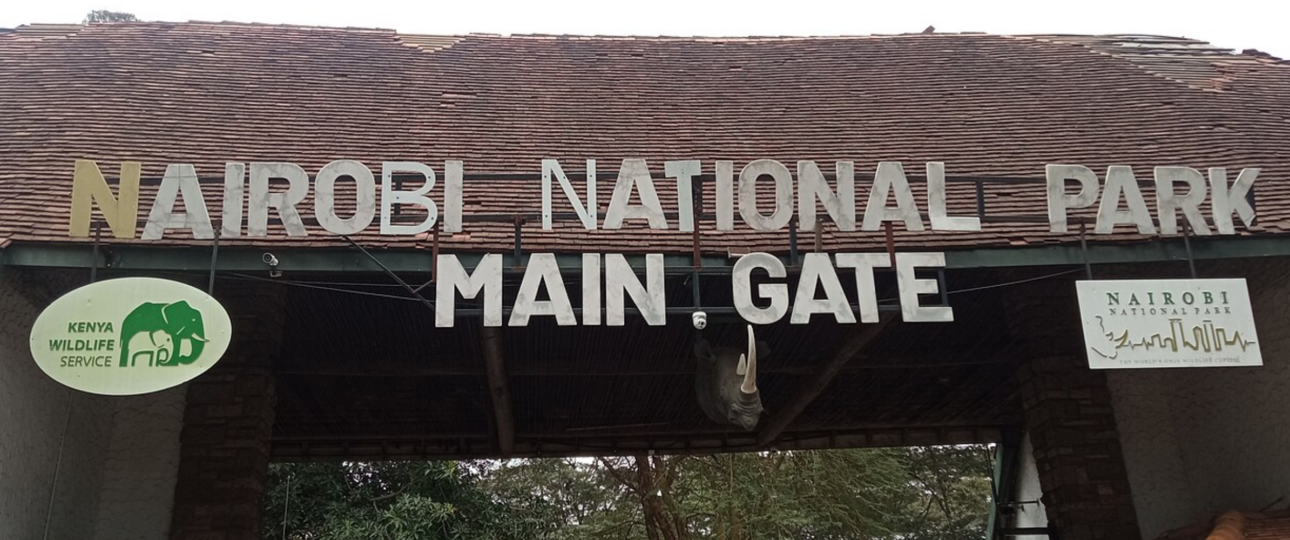
Getting into the park is a breeze if you know which gate to use. The Main Gate on Langata Road is the most popular and is only about 8km from downtown. If you’re looking for a quieter entry, the Mbagathi Gate (also known as Cheetah Gate) is a great alternative. We usually pick up our guests from their hotels to make the 30- to 45-minute drive as smooth as possible. You’ll want to start early—gates open at 6:00 AM.
What should you pack for your day with us? Even though it’s in the city, the mornings can be quite chilly, so bring a light jacket. You’ll definitely need sunscreen, polarized sunglasses, and a reusable water bottle. We at The Walk Adventures take the “no plastic” rule seriously to keep our park clean. Don’t forget your binoculars—they’re the difference between seeing a “rock” and seeing a sleeping lion.
When it comes to vehicles, we highly recommend a 4WD for a safari. They’re more comfortable on the rough terrain and give you a better view of the wildlife. An open-sided van is even better for that authentic safari feel and unobstructed photography.
Beyond the Park: Sheldrick’s and the Giraffe Centre
Your adventure doesn’t have to end when we exit the park gates. Right next door is the David Sheldrick Wildlife Trust, which is a must-see for elephant lovers. They rescue orphaned baby elephants from all over Kenya and rehabilitate them. You can watch them during their mud bath and feeding session at noon every day. It’s a heartwarming experience that shows the human side of conservation.
Then there’s the Giraffe Centre, where you can get up close and personal with endangered Rothschild’s giraffes. You actually get to hand-feed them from a raised platform. It’s a fantastic way to learn about the challenges these “gentle giants” face in the wild. The center’s mission is all about education, and it’s a huge hit with families. We love combining these visits with our park tours for a full day of wildlife.
If you have a bit more time, Karura Forest is another nearby urban gem. It’s one of the largest urban forests in the world and is perfect for a quick hike or bike ride. You can see a 15-meter waterfall and watch monkeys swinging through the trees. It’s a great way to cool down after a dusty game drive. Nairobi really is a city of green spaces if you know where to look.
Why The Walk Adventures is Your Best Partner
We know you’re busy and that you want the best possible experience. That’s why we’ve tailored our tours to be efficient, reliable, and deeply authentic. Our guides aren’t just drivers; they’re passionate conservationists who know every inch of the park. We’ll handle all the logistics, from the ETA to the park fees, so you can just enjoy the ride. It’s our mission to make your urban safari unforgettable.
Whether you’re on a short layover or a week-long business trip, we have an itinerary for you. We can pick you up from JKIA or Wilson Airport and have you in the park within 30 minutes. Our team at The Walk Adventures believes that even a half-day safari can be a life-changing experience. We’re committed to showing you the “mosaic of wins” that President Ruto talked about. Join us, and let’s go find some lions.
Key Takeaway
Nairobi National Park is a world-class wildlife sanctuary that offers a unique 2026 “urban safari” experience, combining successful rhino conservation with the convenience of city life. With a 4% growth in rhino populations and its status as a top global city, Nairobi is the perfect destination for busy professionals seeking meaningful travel. By choosing The Walk Adventures, you get expert-guided access to historic landmarks, diverse birdlife, and the “Big Four,” while supporting Kenya’s vital conservation mission.