Imagine stepping off a small plane and feeling the humid coastal air wrap around you like a warm hug. You’ve just landed at Manda Airstrip. There are no cars waiting for you. No buzzing taxis or frantic shuttle buses.
The water is a shade of blue you only see in dreams. As the boat glides across the channel, the silhouette of an ancient town rises from the horizon. This is Lamu. It is a place where time didn’t just slow down; it stopped altogether.
We want to take you through the winding alleys, the hidden courtyards, and the golden dunes of an island that has been the heart of the Swahili coast for over seven centuries. This isn’t just a travel guide. It’s an invitation to experience the magic of the archipelago through our eyes.
The Living History of the Swahili Coast
Lamu is more than just an island; it is a survivor. While many other ancient Swahili settlements along the East African coast were abandoned or eroded by the sea, Lamu survived. It has been continuously inhabited for over 700 years. Think about that for a second. People have been walking these same narrow streets since the 1300s.
When you walk through Lamu Old Town with us, you aren’t just looking at history; you are stepping right into it. In 2001, UNESCO recognized this by naming it a World Heritage Site. They called it the oldest and best-preserved Swahili settlement in East Africa.
The history here is a rich, messy, and beautiful blend of cultures. It’s Bantu. It’s Arabic. It’s Persian. It’s Indian. It’s European. Centuries of trade across the Indian Ocean brought these influences together. Merchants arrived on the monsoon winds, bringing spices, fabrics, and ideas. Some stayed. Some left. But they all left their mark on the stones of the town.
The Eras of Influence
The island’s story is told in layers. First came the local African communities who built the foundations. Then, the Arab traders arrived, bringing Islam and the distinct architectural styles we see today.
By the 16th century, the Portuguese had arrived, followed by the Omani Arabs, who took control a century later. Under Omani rule, Lamu became a hub for literature and art. This was when the iconic carved doors began to appear, influenced by Omani and Indian designs.
Later, the Germans and the British had their turn before Kenya finally gained independence in 1963. We love sharing these stories because they explain why Lamu feels so different from the rest of Kenya. It’s a melting pot that has been simmering for hundreds of years.
Architecture: Stone, Coral, and Secrets
One of the first things you’ll notice when we walk through the streets is the silence. Well, it’s not exactly silent. You’ll hear the calls of the muezzin, the clatter of donkey hooves, and the laughter of children. But you won’t hear a single car engine. The streets are too narrow for cars. Some are barely wide enough for a person and a donkey to pass each other. The buildings are made of coral stone and mangrove timber.
These aren’t just random choices. They are the island’s materials. Coral stone keeps the houses cool in the sweltering heat. Mangrove poles, which are incredibly strong and resistant to rot, are used for the roofs and floors.
Because a mangrove pole can only grow so long, most rooms in a traditional house are exactly three meters wide. It’s a design language dictated by nature.
The Privacy of the Swahili House
Swahili houses are designed for privacy and family life. They don’t have many windows facing the street. Instead, they look inward toward a central courtyard. This courtyard is the lungs of the house. It brings in light and fresh air. When we visit a traditional home, you’ll see the daka. That’s the outer porch where the men of the house would sit and chat with neighbors. It’s the most public part of the home.
The further you go inside, the more private and darker the rooms become. The walls are often decorated with vidaka—beautifully carved plasterwork niches. Back in the day, these niches were used to show off expensive Chinese porcelain brought by traders. It was the 18th-century version of a luxury display case.
Those Iconic Carved Doors
You can’t talk about Lamu without talking about the doors. They are masterpieces of woodcarving. Each door tells a story about the family that lived behind it. The older Omani doors usually have geometric patterns and Quranic inscriptions.
The Indian-influenced doors are often more floral and might even have brass spikes. In India, those spikes were to stop elephants from breaking down the door. In Lamu, they were just a way to show you were wealthy enough to afford them.
We often find our guests standing in front of these doors for ages, just taking in the detail. They are arguably the most photographed things on the island.
The Donkey Capital of Africa
Since there are no cars, how do things get moved around? Meet the donkey. There are about 6,000 of them on the island. They are the taxis, the delivery trucks, and the ambulances of Lamu. You’ll see them carrying heavy bags of cement, crates of soda, and even the occasional tired traveler. They have the right of way in the narrow alleys.
When you hear a local shout out, it usually means a donkey is coming through, and you need to flatten yourself against a wall to let it pass. The people of Lamu care deeply for these animals. There is even a Donkey Sanctuary on the seafront. If a donkey is sick or hurt, it gets treated there for free. It’s a beautiful part of the island’s culture that we always make sure to show our groups. It reminds us that life doesn’t always have to be fast to be effective.
Life on the Water: Dhows and Dreams
The sea is everything to Lamu. It’s the highway, the grocery store, and the playground. And the king of the sea here is the dhow. These traditional wooden sailing boats have been used for centuries. They connect the islands of the archipelago like a liquid thread.
Even today, dhows are still used to transport cargo like mangrove poles and fish. But for us, the best way to experience a dhow is on a sunset cruise. There is nothing quite like sitting on the deck as the lateen sail catches the wind. The water turns gold, and the only sound is the lapping of waves against the hull.
We often arrange for snacks and drinks on board—it’s the ultimate Lamu “sundowner.” Many dhows have a stylized eye painted on the bow. It’s called the “dhow eye,” and it’s there to protect the sailors and help the boat find its way through the reefs. It’s a symbol of the deep maritime heritage that defines this place.
Dhow Building as an Art Form
On the western side of the island, in villages like Matondoni, you can still see dhows being built by hand. The craftsmen use techniques passed down through generations. They don’t use blueprints or modern power tools. They use their eyes and their hands to shape the wood.
It’s a slow process, but the results are boats that can sail for decades. Watching them work is like seeing a living piece of history. We highly recommend taking a half-day trip to Matondoni to see it for yourself.
Exploring Lamu Old Town
Lamu Town is the heart of the island. It’s busy, it’s loud, and it smells like a mix of sea salt, donkey, and spices. We usually start our tours at the Lamu Fort. It was built by the Omanis in the early 1800s as a military fortress. Over the years, it’s been a prison and a police station, but today it’s a museum and a community center. The view from the top of the fort gives you a great perspective of the town’s layout.
Then there’s the Lamu Museum, located in a grand old Swahili warehouse on the seafront. It’s the perfect place to learn about maritime history and see traditional crafts. But the real magic of Lamu Town is getting lost in the lanes.
You’ll find tiny shops selling silver jewelry, hand-woven baskets, and beautifully carved furniture. Don’t be afraid to wander. Every turn leads to a new discovery—a hidden mosque, a bustling market, or a courtyard overflowing with bougainvillea.
The Serenity of Shela Village
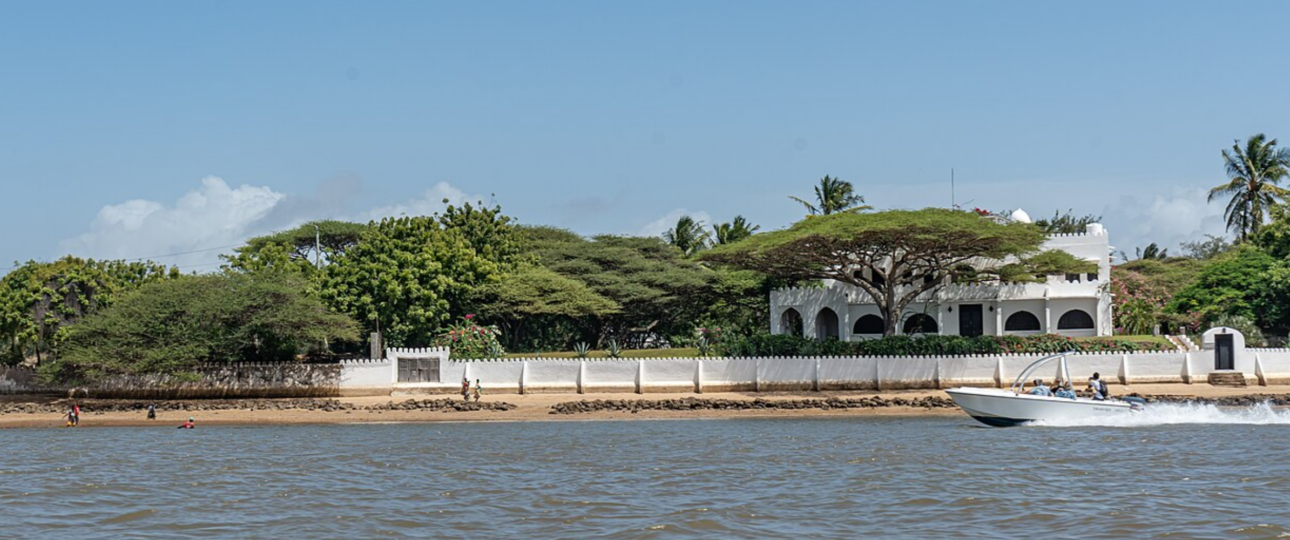
If Lamu Town is the busy older brother, Shela is the laid-back younger sister. It’s just a 45-minute walk along the beach from the main town, or a 10-minute boat ride. Shela is where you’ll find the more upscale boutique hotels and private villas. It has a completely different vibe. It’s quiet, clean, and incredibly picturesque.
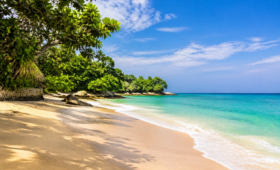
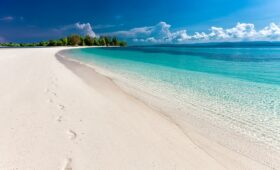
The village is made of white-plastered Swahili houses and narrow, sandy lanes. And then there’s the beach. Twelve kilometers of pristine, white sand backed by rolling dunes. It’s mostly empty, except for the occasional donkey or a group of children playing soccer.
We love taking our guests here to unwind after a few days of exploring. It’s the perfect spot for long walks, swimming in the warm Indian Ocean, or just sitting under a palm tree with a book. For the active ones, you can even rent kite surfing or windsurfing gear.
A Culinary Journey Through Swahili Flavors
The food in Lamu is, quite frankly, incredible. It’s a reflection of the island’s multicultural history. Because it’s a coastal town, seafood is the star of the show. We’re talking lobster, crab, prawns, and snapper, all caught fresh that morning. But it’s the way it’s prepared that makes it special. They use a lot of coconut milk, lime, and aromatic spices.
You have to try the Biriani—a spiced rice dish that is a staple for celebrations. Or Samaki wa Kupaka, which is fish grilled and then simmered in a rich coconut curry sauce. Street food is another highlight. As the sun sets, the seafront comes alive with vendors.
You’ll find Viazi Karai—spicy deep-fried potato balls—and Urojo, a tangy soup that is a local favorite. We often take our groups on a “street food crawl” to try all these different snacks. It’s the best way to eat like a local.
The Island of Festivals
Lamu knows how to throw a party. Throughout the year, the island hosts various festivals that bring the whole community together. The biggest is the Lamu Cultural Festival, usually held in November. It’s a three-day celebration of Swahili heritage.
There are traditional dances, poetry recitations, and henna painting exhibitions. But the highlights are the races. The dhow races are a sight to behold, with teams maneuvering these massive boats with incredible skill.
And the donkey races? They are pure chaos and fun. The riders bounce through the streets as the crowds roar with excitement. If you want a more zen experience, there’s the Lamu Yoga and Wellbeing Festival. It takes place in March or November and brings together yoga lovers from around the world. Imagine doing your sun salutations on the sand dunes as the sun rises over the ocean. We can help you time your trip to experience one of these unique events.
Beyond Lamu Island: Exploring the Archipelago
While Lamu Town and Shela are the main attractions, the rest of the archipelago is waiting to be explored. We often organize day trips to neighboring islands.
Manda Island
Just across the channel from Lamu, Manda is home to the airport, but there’s much more to it. The Takwa Ruins are a must-visit. They are the remains of a 15th-century Swahili town that was abandoned in the 17th century. You can walk through the ruins of houses and mosques, which are surprisingly well-preserved. The site is only accessible by boat at high tide, which adds to the adventure.
Kiwayu Island
For those who want to get truly off the grid, we recommend a trip to Kiwayu. It’s a 1.5-hour boat ride away, located within the Kiunga Marine National Reserve. It’s a long strip of dunes and empty beaches.
The snorkeling and diving here are among the best in Kenya, with vibrant coral reefs and abundant fish. It’s a place where you can really disconnect and just be with nature.
Practical Tips for Your Lamu Adventure
We want you to have the best time possible, so here are a few things to keep in mind.
When to Go
The weather in Lamu is influenced by the trade winds. The best time to visit is during the dry seasons: January to February and July to October. The water is clear, the skies are blue, and the weather is perfect for exploring. April and May are the rainy season, and many hotels close during this time.
What to Pack and How to Act
Lamu is a conservative Muslim society, and it’s important to be respectful. When you’re in the streets of Lamu Town or Shela, please dress modestly. For women, this means covering your shoulders and knees. Loose, linen clothes are perfect because they keep you cool and respect the local culture.
Save the swimsuits for the beach or your hotel pool. Also, remember that alcohol is not served everywhere. Most of the major hotels serve it, but many local restaurants do not. Lamu is a peaceful place, and “pole pole” (slowly) is the way of life here. Embrace the slow pace. Put your phone away and just soak it all in.
Getting There
Most of our guests fly into Manda Airstrip from Nairobi’s Wilson Airport. It’s a quick and scenic 90-minute flight. From the airport, our team will meet you and take you across the water by boat. It’s the best way to arrive.
Join Us on Your Next Adventure
We at The Walk Adventures believe that travel is about more than just seeing new places. It’s about making connections and creating stories that last a lifetime. Lamu is one of those places that stays with you long after you’ve left.
Whether you want to dive into the history of the Old Town, relax on the beaches of Shela, or sail into the sunset on a dhow, we’ve got you covered. We handle all the details so you can focus on the experience. So, are you ready to step back in time with us? The islands are waiting. Let’s make your next trip one to remember. Check out our latest packages on our website, and let’s start planning your Lamu escape today.
A Final Thought on Preservation
As you walk through the streets of Lamu with us, you might notice that some buildings look a bit weathered. Keeping an 800-year-old town alive is a huge task. The local community works incredibly hard to maintain its heritage while adapting to the modern world.
When you visit, you are supporting this preservation. By choosing local guides, eating at local spots, and buying from local artisans, you help ensure that the magic of Lamu endures for the next 700 years.
We are proud to be a part of this community, and we can’t wait to share it with you. Safe travels, and we’ll see you at the jetty!