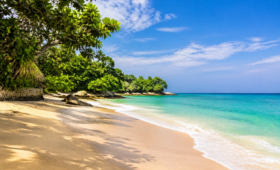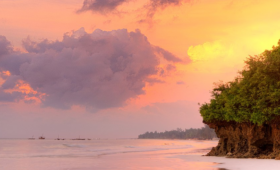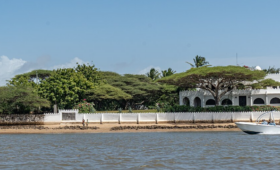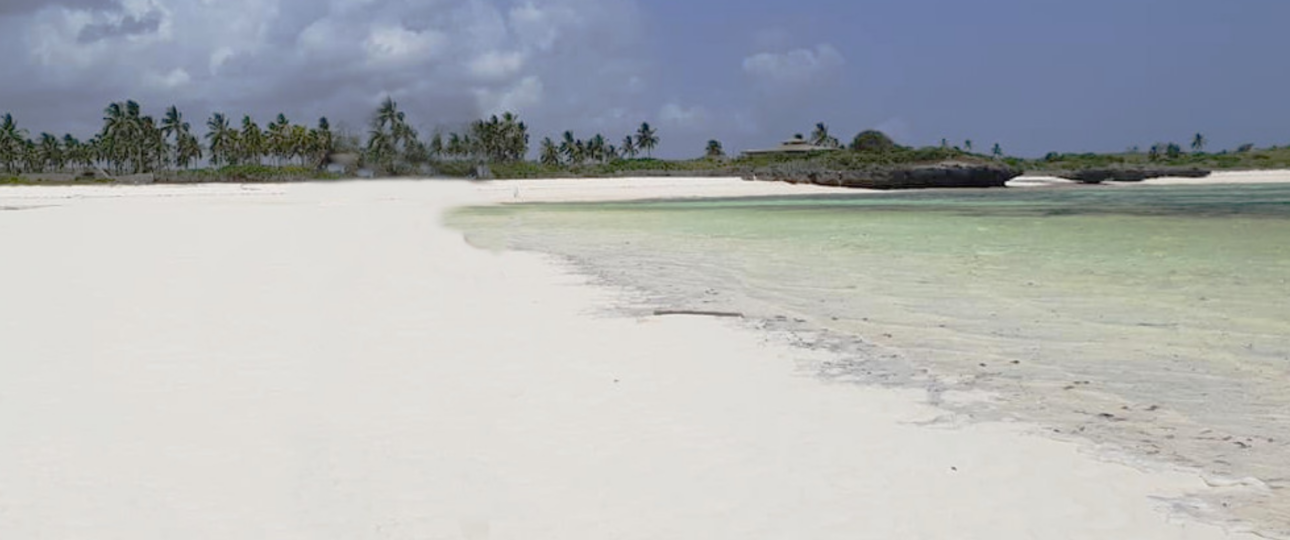
The tourism landscape of the Kenyan coast is poised for a significant resurgence in 2026, with Watamu emerging as the premier destination for travelers seeking a sophisticated blend of ecological preservation, cultural depth, and luxury hospitality.
This coastal town, once a quiet fishing village, has evolved into a strategic hub for high-end boutique travel, particularly for companies like The Walk Adventures that prioritize meaningful, small-scale experiences over mass-market tourism. The 2026 outlook indicates that Watamu is no longer a hidden gem but a “secret paradise” that has perfected the balance between its traditional Swahili roots and a modern, Italian-influenced cosmopolitanism.
The evolution of Watamu into a top-tier destination is driven by a global shift toward sustainable and experiential travel. For the 2026 season, travelers are increasingly seeking destinations that offer more than just beachfront relaxation; they are looking for “story-worthy” experiences that connect them to local wildlife and heritage. This market demand aligns perfectly with The Walk Adventures‘ operational philosophy, which focuses on customized, research-backed itineraries that avoid the “canned” or scripted feel of larger tour operators.
Connectivity and Infrastructure Development in 2026
The accessibility of Watamu has been transformed by large-scale infrastructure projects that have reduced travel times and increased comfort for both domestic and international visitors.
The Standard Gauge Railway (SGR) and Northern Corridor
By early 2026, the SGR will remain the backbone of Kenya’s transport network. A significant milestone is the scheduled start of construction on the extension from Naivasha to Kampala, Uganda, a project estimated at approximately KSh 648 billion. While this primarily serves the western corridor, it reinforces the efficiency of the existing Mombasa-Nairobi line, which has become a staple for coastal tourists.
The Madaraka Express passenger service between Nairobi and Mombasa is a critical logistics partner for coastal travel. In late 2025 and into 2026, the service added extra trains to accommodate the surge in festive travel. For those heading to Watamu, the SGR offers a reliable 5- to 6-hour journey to Mombasa, where travelers can then take road transfers.
The SGR experience is optimized by booking Premium or First Class to ensure maximum comfort. For a smooth transition, The Walk Adventures organizes private transfers from the Mombasa SGR terminus directly to Watamu, a drive that typically takes about two hours.
Aviation and Local Access
For the most direct route to Watamu, Malindi Airport (MYD) remains the primary hub. It is located just 30 minutes from central Watamu. Domestic flights from Nairobi’s Jomo Kenyatta International Airport (JKIA) or Wilson Airport take approximately one hour. Airlines such as Kenya Airways and Jambojet provide consistent service, making the coast easily reachable for weekend getaways.
Climate Strategy and Seasonal Logistics
Watamu’s tropical climate necessitates strategic planning to match activities with weather conditions. The town is warm and sunny year-round, but specific seasons offer distinct advantages for snorkeling, whale watching, and birding.
The Long Dry Season (June to October)
This period is widely considered the “best time to visit.” The skies are clear, the temperatures are cool, and there is very little rainfall. These months offer the calmest waters and the highest visibility in Watamu Marine National Park. This season also coincides with the spectacular humpback whale migration, a cornerstone of the 2026 coastal experience.
The Short Rainy Season (October to December)
Often overlooked, these months offer a quieter, more intimate atmosphere. The rains are typically short afternoon or evening showers, which blow off quickly. This is an excellent time for bird watching as migratory species from Europe and Russia arrive in the Arabuko Sokoke Forest and Mida Creek. The vegetation becomes lush and vibrant, providing a stunning backdrop for photography.
The Low Season (March to May)
While this is the long rainy season with the heaviest rainfall, it serves a specific demographic of travelers. Many luxury resorts and boutique villas offer significant discounts during these months. For those who don’t mind the occasional downpour, the beaches are significantly less crowded, providing a sense of total seclusion.
Beachfront Hospitality: The 2026 Elite Selection
The hospitality sector in Watamu has reached a point of maturity where “luxury” is defined as much by service as by location. The following properties represent the gold standard for the 2026 season.
Hemingways Watamu: Sophistication on the Reef
Hemingways Watamu remains an iconic fixture on Turtle Bay. It is a 4.5-star property that has earned a reputation for being “wonderful,” with a guest rating of 9.2/10. The resort features a full-service spa, two outdoor pools, and a dedicated gym. In 2026, it remains a favorite for fine dining: the Gede Cafe offers a relaxed atmosphere for coffee and cake, while the main restaurant offers candlelit ocean views for dinner.
Medina Palms: Exceptional Community and Service
Medina Palms is frequently cited as the top choice for travelers seeking high-level service in a community-oriented setting. With a 9.8/10 rating, it is described as “exceptional.” The property is designed for family travel, featuring a children’s club and on-site laundry facilities. Its three restaurants and three outdoor pools ensure that guests can unwind without ever leaving the grounds.
The Charming Lonno Lodge: A Secluded Escape
Located on Kanani Road, Lonno Lodge is a 5.0-star property that caters to travelers seeking a “world away from everyday life.” It prides itself on being a personal concierge for Watamu excursions, vetting every activity to ensure it meets its rigorous standards for luxury and culture.
Marine Biodiversity and Conservation Tours
The Watamu Marine National Park is a protected biosphere reserve that serves as a sanctuary for over 600 fish species. The marine environment is the region’s primary draw.
The Humpback Whale Migration: The “Twin Migration“
The most significant event for 2026 is the annual migration of humpback whales. These 40-ton giants travel over 4,000 kms from the Antarctic to the warm waters off Watamu to breed and give birth. The peak season for sightings is between July and September.
This event is known as the “Twin Migration” because it overlaps with the Great Wildebeest Migration in the Maasai Mara. This allows The Walk Adventures to design a 7-day itinerary that combines the thundering hooves of the Mara with the breathtaking breaches of humpback whales on the coast.
Snorkeling and Diving in Coral Gardens
The marine park features vibrant coral gardens that are easily accessible via glass-bottom boat tours. Snorkeling gear is typically provided, and even novice swimmers can explore the shallow, crystal-clear waters to see parrotfish, angelfish, and sea turtles. Responsible diving practices are strictly enforced to minimize disturbance to the marine ecosystem.
Mida Creek Eco-Tours
Mida Creek is a 32 km square estuary that is home to extensive mangrove forests and seagrass beds. It is a vital habitat for migratory birds, including the Terek Sandpiper and the Crab-Plover.
- Dhow Cruises: Sunset dhow cruises on Mida Creek are widely regarded as one of the most magical experiences in Watamu.
- Boardwalks: A 600-meter “rickety” boardwalk allows visitors to walk through the mangroves and observe the birdlife up close.
- Kayaking: For a more active experience, paddling through serene mangrove forests offers a quiet way to commune with nature.
Terrestrial Exploration and Cultural Heritage
Beyond the beach, Watamu offers rich history and natural beauty. These land-based excursions are essential for a holistic understanding of the Swahili Coast.
The Mystery of Gede Ruins
Just a short drive from the beach lies Gede, a 12th-century Swahili town that was mysteriously abandoned in the 17th century. The ruins include crumbling stone houses, a mosque, and a palace, all being reclaimed by the roots of ancient baobab and tamarind trees. Hiring a local guide at the gate is highly recommended to hear the stories and legends that bring this “lost city” to life.
Arabuko Sokoke Forest
This is the largest remaining coastal forest in East Africa and is home to rare species, such as the golden-rumped elephant shrew, found nowhere else on Earth. The forest is a paradise for birdwatchers, who come to spot the Sokoke scops owl. We offer guided nature walks through the forest as part of our commitment to exploring Kenya’s varied landscapes.
Marafa Canyon (Hell’s Kitchen)
About an hour from Watamu, Marafa Canyon is a natural sandstone depression that glows in shades of orange, red, and gold. The dramatic landscape is particularly stunning at sunset. Local legends suggest the canyon was formed as a divine punishment for a prosperous family, adding a layer of cultural intrigue to the geological beauty.
Culinary Fusion: The “Little Italy” of Kenya
Watamu’s dining scene is a unique intersection of authentic Swahili flavors and Italian culinary expertise. This influence stems from a large Italian community that settled in the area in the 1980s.
Authentic Swahili Cuisine
For the most authentic experience, Swahili Café on Gede Watamu Road is the premier choice. It is a locally run, unassuming spot that serves traditional Kenyan stews, Sukuma (collard greens), and goat meat. On Fridays, the Biryani is a must-try. Another local institution is the Crab Shack Dabaso, which serves freshly caught crab and prawns on a series of raised platforms above Mida Creek.
Italian and Fine Dining
Watamu offers some of the best Italian food in Africa. Amici Miei is highly recommended for its Italian pastries and doughnuts (bombolone). For dinner, Kitangani at Sun Palm Beach Resort offers authentic pizza and homemade pasta with views of the Indian Ocean. Fine dining is best experienced at Hemingways, where signature dishes like grilled king prawns and fillet steak are paired with fine wines.
Practical Preparation for 2026 Travel
To ensure a stress-free journey, travelers should adhere to specific logistical and cultural protocols unique to the Kenyan coast.
Packing Strategy
The humid tropical climate of Watamu requires breathable, lightweight fabrics like linen and cotton. While resort wear is standard, modest clothing (covering shoulders and knees) is respectful when visiting local villages or Gede.
- Sun and Bug Protection: Reef-safe sunscreen (SPF 50+), a wide-brimmed hat, and insect repellent with DEET are essentials.
- Footwear: Comfortable sandals for the beach and sturdy, closed-toe walking boots for forest trails or the ruins.
- Electronics: A Type G power adapter (UK-style) and a high-capacity power bank are necessary for staying charged on long excursions.
Environmental Responsibility
Kenya has a strict ban on single-use plastic bags. Travelers are encouraged to use reusable fabric bags for laundry and shopping. When engaging in marine activities, using reef-safe sunscreen is a small but vital step in protecting the delicate coral reefs.
2026 Boutique Festivals and Events
Watamu’s 2026 event calendar is highlighted by several boutique festivals celebrating music, wellness, and conservation.
- Seven Islands Festival (August): A three-day “boutique event” at Paparemo Beach that features music, art, and excursions while supporting local environmental initiatives.
- Kaleidoscope Festival (September): An annual transformation of Watamu into a “mystical groove” at Temple Point, featuring over 40 DJs, yoga, and electronic music.
- Wellness Weekends (Treehouse): Curated packages that combine yoga, massages, and guided walks, offering a retreat-style experience for those seeking deep rest.
Conclusion
Watamu in 2026 stands as a testament to the power of sustainable, community-focused tourism. For travel agencies like The Walk Adventures, this coastal gem provides the perfect backdrop for itineraries that prioritize authentic connection and ecological awareness. From the thundering breaches of humpback whales to the quiet contemplation of the Gede Ruins, Watamu offers an unmatched diversity of experiences on the Swahili Coast. By choosing boutique accommodations and engaging with local conservation efforts, travelers ensure that this “secret paradise” remains vibrant and pristine for generations to come.