The colorful spectrum of Kenya’s culinary heritage is an exciting twist of flavor, ingredients, and meaningful culture. Vast savannahs and bustling cities are all part of what this land provides, but best of all, there’s an opportunity to see the world through its cuisine.
Taste History, Culture, and Innovation in every bite. Those who travel with The Walk Adventures Tours and Travel Company can discover what Kenya’s traditional dishes taste like.
Staple Foods in Kenyan Cuisine
Ugali
Kenyan meals have Ugali at their heart. This simple national dish is an essential carbohydrate: a doughy mixture of maize flour and boiling water until it becomes dense and dough-like.
However, its place at the table is undeniable; it is the perfect partner for stews, curries, and sauces. But Ugali is more than sustenance; it’s a comforting staple, uniting families across the country to have another staple around which to build countless traditional meals.
Chapati
Kenya lends chapati its heartiness and thickness compared to its sister flatbread from India. Chapati is made by kneading flour, oil, and salt into a round disc that is then cooked in a skillet until golden brown.
The outcome is a flour, flaky bread frequently used to serve, scoop up flavorful stews, or accompany meals. This is a staple at Kenyan gatherings and home meals because of its versatility and lovely texture.
Meat Dishes That Define Kenyan Cuisine
Nyama Choma
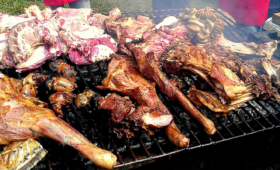
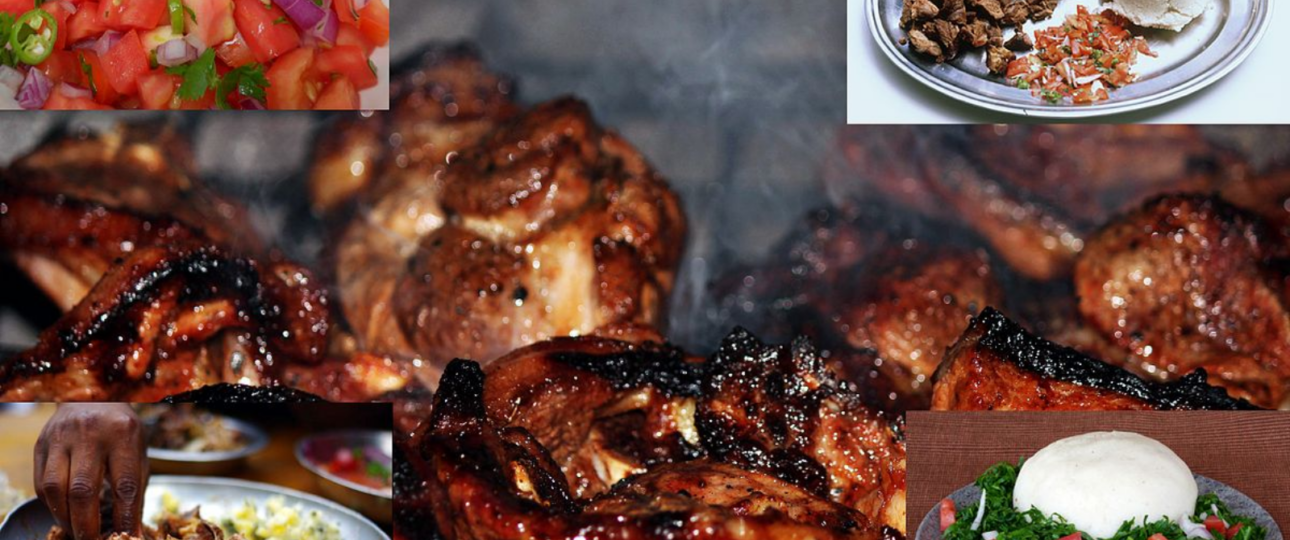
Nyama choma in Swahili, or “grilled meat,” is the quintessential celebration food in Kenya. The meat can be goat, beef, or chicken, seasoned and grilled over an open flame until crispy outside and tender inside.
It sometimes accompanies a salad of fresh tomato, onion (kachumbari), and a portion of ugali. It is more than a meal – instead, it is a social event whereby friends and extended family come together at the fire accompanied by succulent bites of meat and endless chatter.
Mutura
Some more adventurous eaters agree with me and love eating mutura (a type of Kenyan street food made mostly with goat or cow intestines stuffed with blood and ground meat) like a sausage.
Then, perfectly grilled, it has a rich, smoky flavor. For all its humble beginnings on the street as a low-cost snack, mutura is the kind of snack that many Kenyans hold dear in their hearts due to its flavor and the fact that it symbolizes how Kenyan innovators can create food from almost nothing.
Vegetarian and Vegan Options
Sukuma Wiki
Sukuma wiki, meaning “stretch the week,” is a dish made from collard greens sautéed with onions, tomatoes, and spices. Kenyan households have prized it as a staple that’s not only affordable but also nutritious.
It is a simple but delicious dish often enjoyed with ugali and makes a very filling meal for the family throughout the week.
Irio
Irio hails from the Kikuyu community and is made into a vibrant and nutritious mash of potatoes, peas, and corn. This dish is sometimes served with greens, like spinach, for a colorful but comforting meal.
It is often eaten as a side to grilled meats or stews and helps bring a touch of Kenyan home cooking using the country’s agricultural bounty.
Stews and Curries
Githeri
Boiling maize and beans provides a hearty base for the stew known as githeri. This nutritious dish is often accompanied by added ingredients (potatoes and carrots) cooked with spices for extra flavor.
Githeri is a meal that speaks to community and resilience and tells a story of warm, filling sustenance for Kenyan families.
Fish Stew
Fish stew is a highlight, among other dishes. This dish embodies Nyanza living; it’s made with freshly caught fish cooked in tomato, onion, and spice broth. It’s a testament to the country’s regional diversity.
Desserts and Beverages
Mandazi
Mandazi are triangles of sweet pastries, similar to doughnuts but filled with coconut or cardamom. They are tasty snacks or breakfast items, often served with a steaming cup of Kenyan tea. Their fluffy texture and subtle sweetness make them a favorite nationwide.
Kenyan Tea
It is well known that Kenyan tea is the best around for its intense flavor and aromatic charm. It is a beverage of milk, black tea leaves, and various spices, most commonly ginger and cardamom.
It’s maintained both as a comfort and a symbol of hospitality. In Kenyan culture, sharing a cup with friends or family is integral; it stands for embracing warmth and community.
Where to Experience Kenyan Cuisine
The best way to experience Kenyan cuisine is to order at local market eats, where the tastiness of flavors isn’t tamed. A lively atmosphere in Nairobi’s Kenyatta Market provides places to savor the real thing. No matter how good the meal, there’s no beating the immersion of dining with local families. It’s a chance for a truly immersive experience accompanied by incredible meals and the story and traditions behind each plate.
For individuals who need authenticity and to experience travel in Kenya, The Walk Adventures Tours and Travel Company is on the plate (Pun intended). The company offers curated experiences to Kenyan Foodies and travelers who want to be connected with the country’s food heart. Guests can increase their understanding of the cultural elements that support this rich culinary legacy by participating in cooking classes and market tours.
Conclusion
Kenya’s food culture is one where people, history, and regional influences coexist. It starts as simply as the ugali and ends as complicated as the Nyanza fish stew, but it all speaks to a country’s ability to combine tradition with innovation. Exploring these flavors with The Walk Adventures Tours and Travel Company brings you closer to local stories and Kenya’s community spirit.
Whether you’ve tasted these dishes or are about to taste them from home, we invite you to share your experiences with Kenyan cuisine. Climb aboard and learn about the joyful world of Kenya’s culinary heritage.